Mood Tree
A speculative smart city intervention exploring mental health, community, and shared emotional space

Overview
The Mood Tree was a speculative design project developed as part of a Creativity in Design module, informed by Critical Fabulations by Daniela Rosner, taught by Dr Alex Taylor. The brief encouraged us to question dominant narratives of “smart cities” and to explore alternative futures through imagination, making, and critical reflection.
Our focus was on mental wellbeing and exploring how technology might support this through shared, ambient experiences rather than data-driven optimisation.
Our final concept — Mood Trees — imagined a network of interactive, tree-like installations embedded in urban neighbourhoods, designed to reflect and support the emotional wellbeing of city dwellers through shared, ambient experiences rather than surveillance or optimisation.
This project was less about producing a “solution” and more about interrogating how technology, environment, and community might interact in more humane ways.
My co-designers were Sara Gomez, Mina Araz, Cory Tjendrakasih and Jennifer Hoffmann.
The challenge
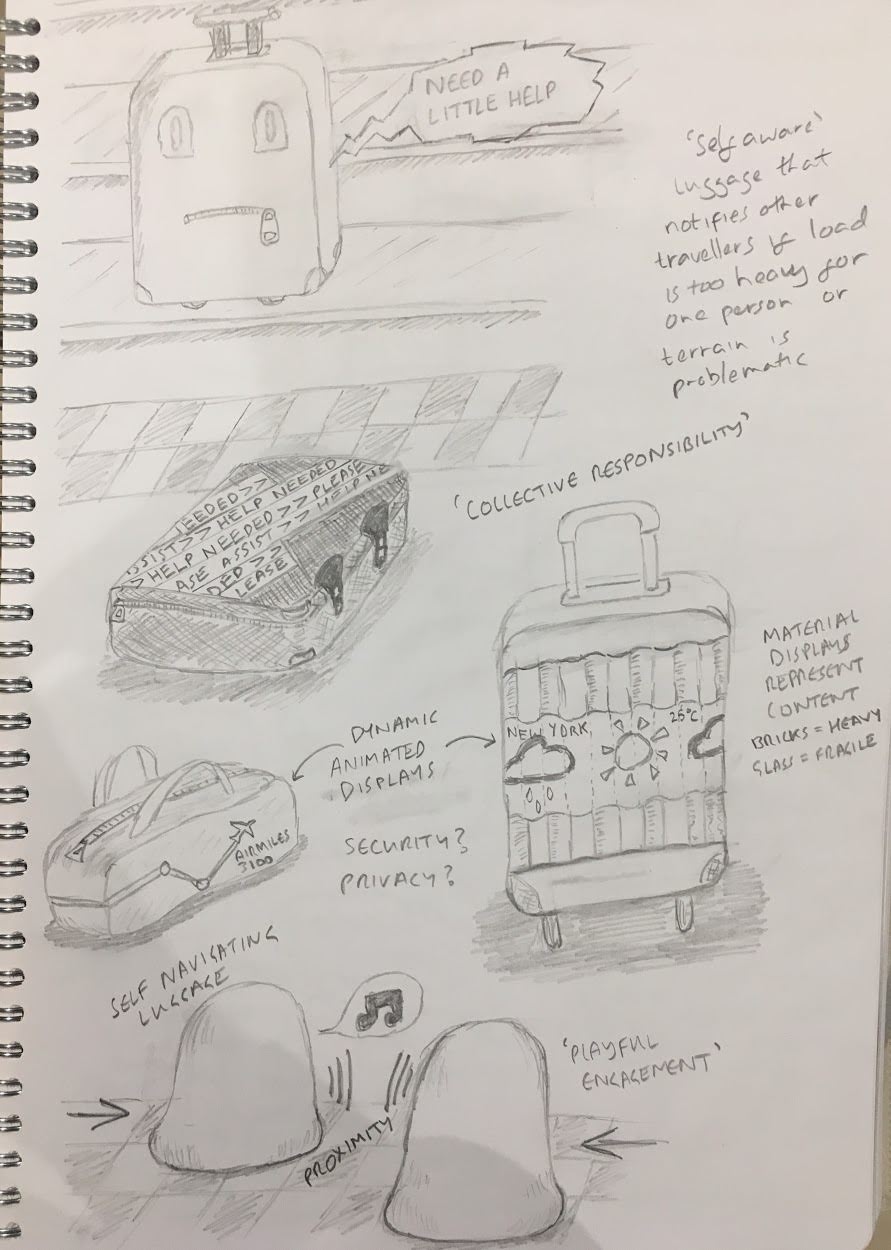
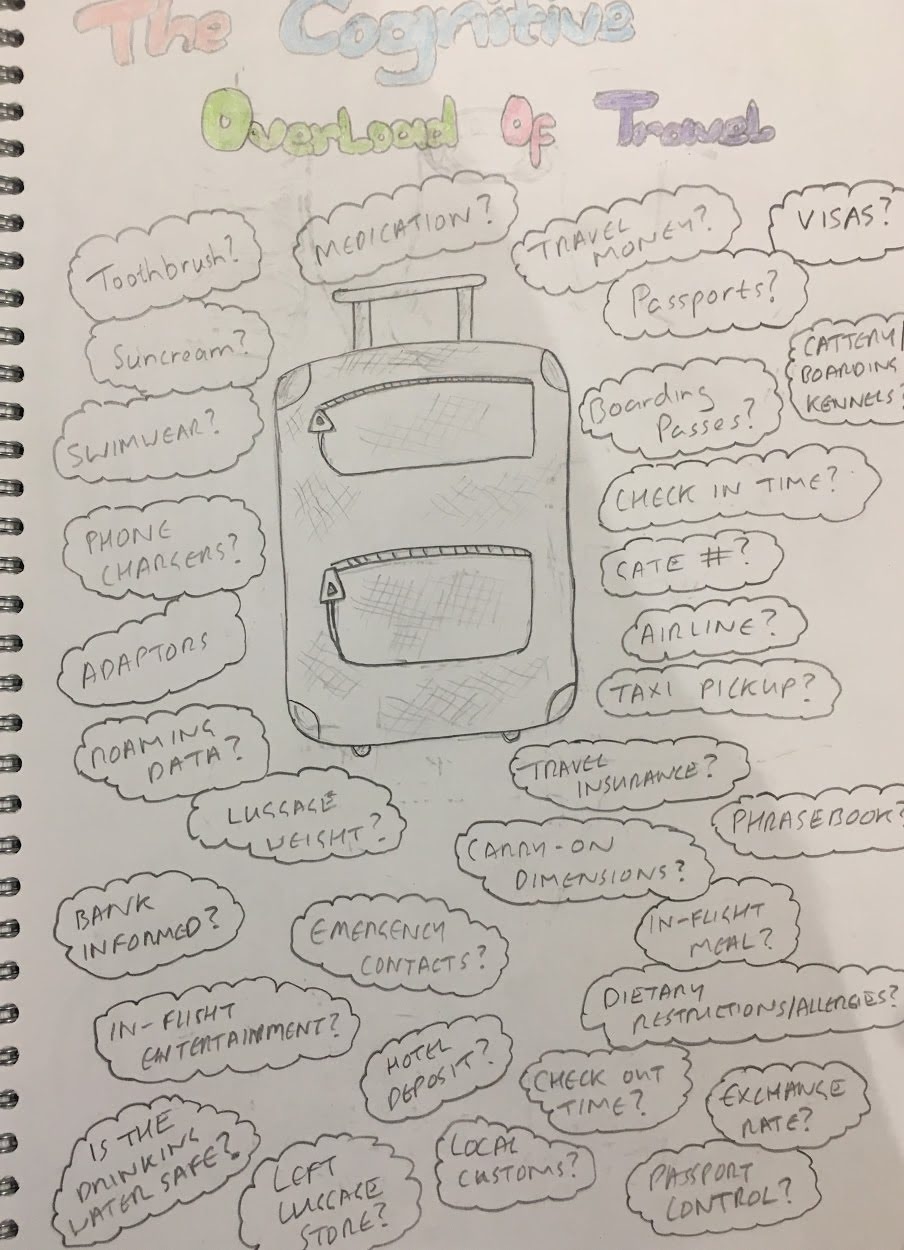
We initially struggled to make progress because we began with solutions rather than systems. Our early focus was on “moving through cities with things,” which led us toward speculative ideas around smart luggage and connected objects.
I envisioned autonomous luggage that would alert of disruption or assistance needed to encourage a sense of collective responsibility, and food delivery systems that would autonomously deliver hot meals to people living on the streets.
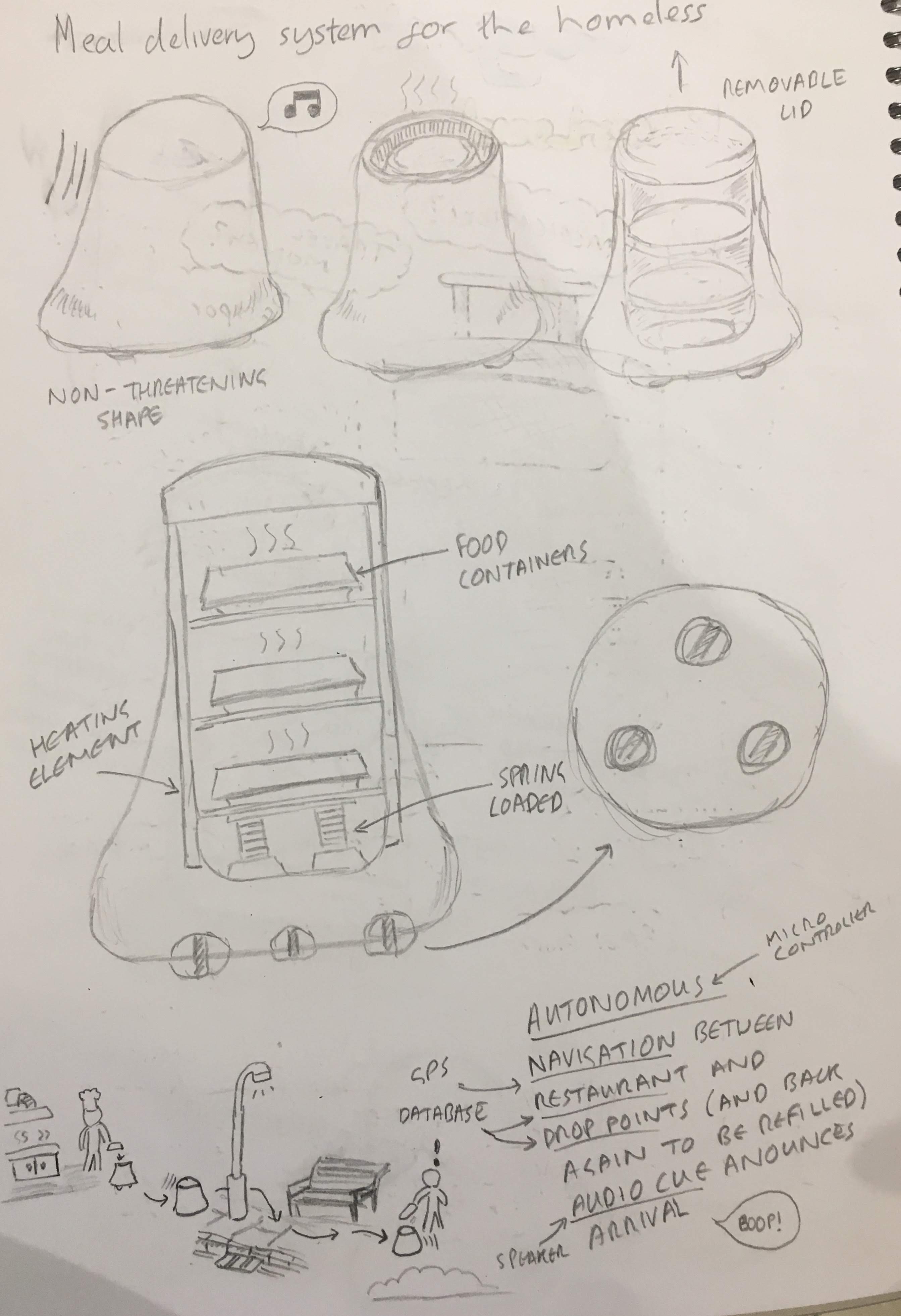
While conceptually interesting, this direction revealed several issues:
We were designing for individual convenience, not collective wellbeing
We were prematurely fixating on technologies rather than experiences
Our ideas lacked a strong connection to addressing broader social issues or civic value
A key turning point came after an in-class Internet of Things workshop and subsequent critique, which challenged us to step back and ask more fundamental questions about why smart city technologies exist and who they are really for.
Following this reset, we independently explored broader urban challenges and reconvened to share insights. Mental health emerged as a shared concern, particularly in dense urban environments where overstimulation, isolation, and inequality intersect.
Research and contextualisation
We conducted independent desk research on mental health in cities. My own research uncovered useful sources such as:
Green space as a buffer between stressful life events and health (van den Beg et al, 2010)
Urbanisation and mental health (Srivastava, 2009)
Statistics from the Mental Health Foundation and Mind
We then used the Five Whys method to explore the question: Why is mental health an issue in cities? This exercise surfaced recurring themes, which we clustered into five broad categories: Overstimulation, Environment, Safety & security, Social networks and Biological factors.
Two themes — social networks and environment — consistently dominated our discussions and became the foundation of our reframed problem space.
Refining our problem statement
After iterating through several versions, we arrived at the following How Might We statement:
How might a smart city promote meaningful social networks to improve mental resilience?
Key decisions embedded in this framing:
Meaningful rather than “positive” social relationships
Mental resilience rather than a vague notion of wellbeing
A focus on collective experience, not diagnosis or intervention on an individual level
This framing allowed us to stay speculative while remaining grounded in real urban challenges.
Designing an experience, not a dataset
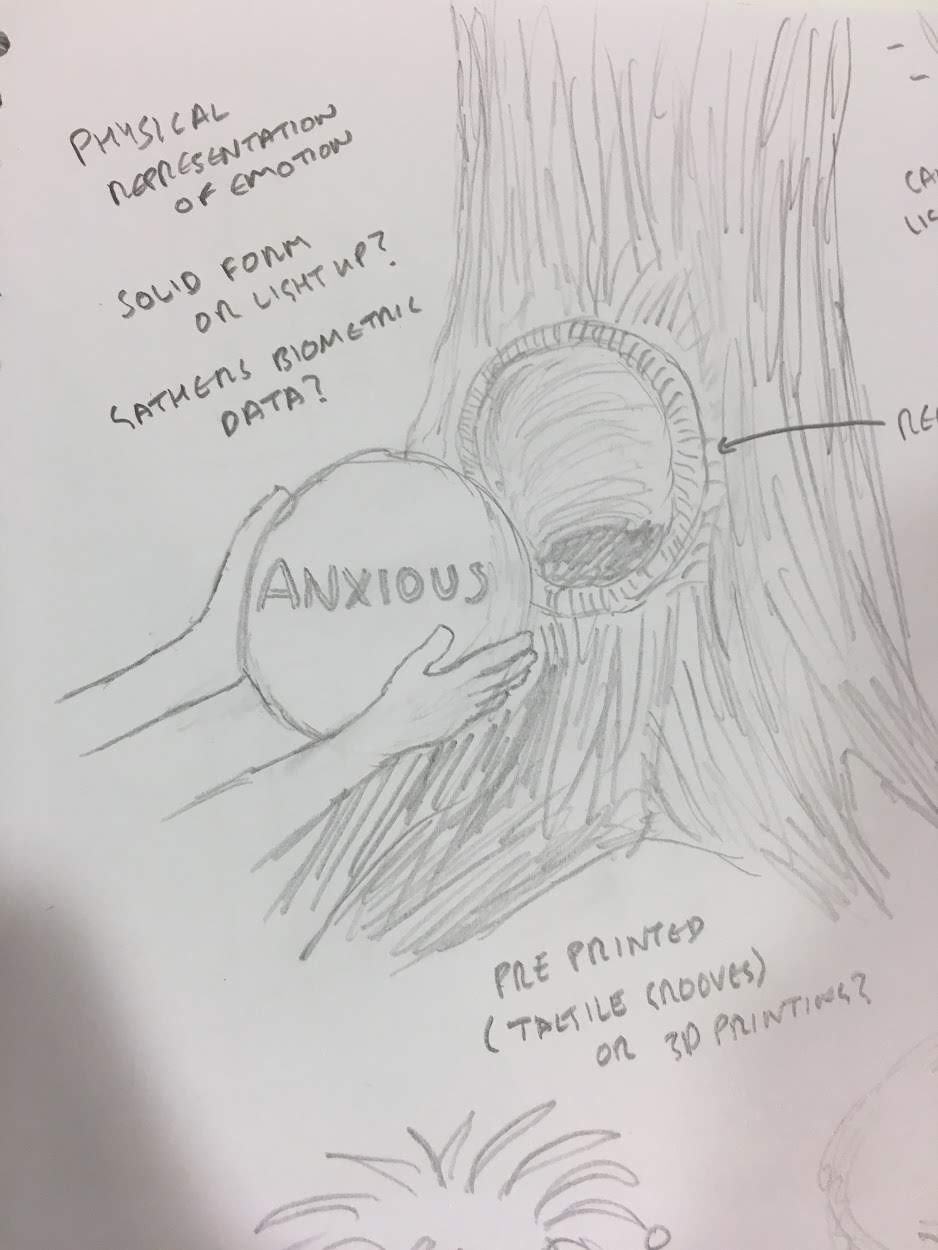
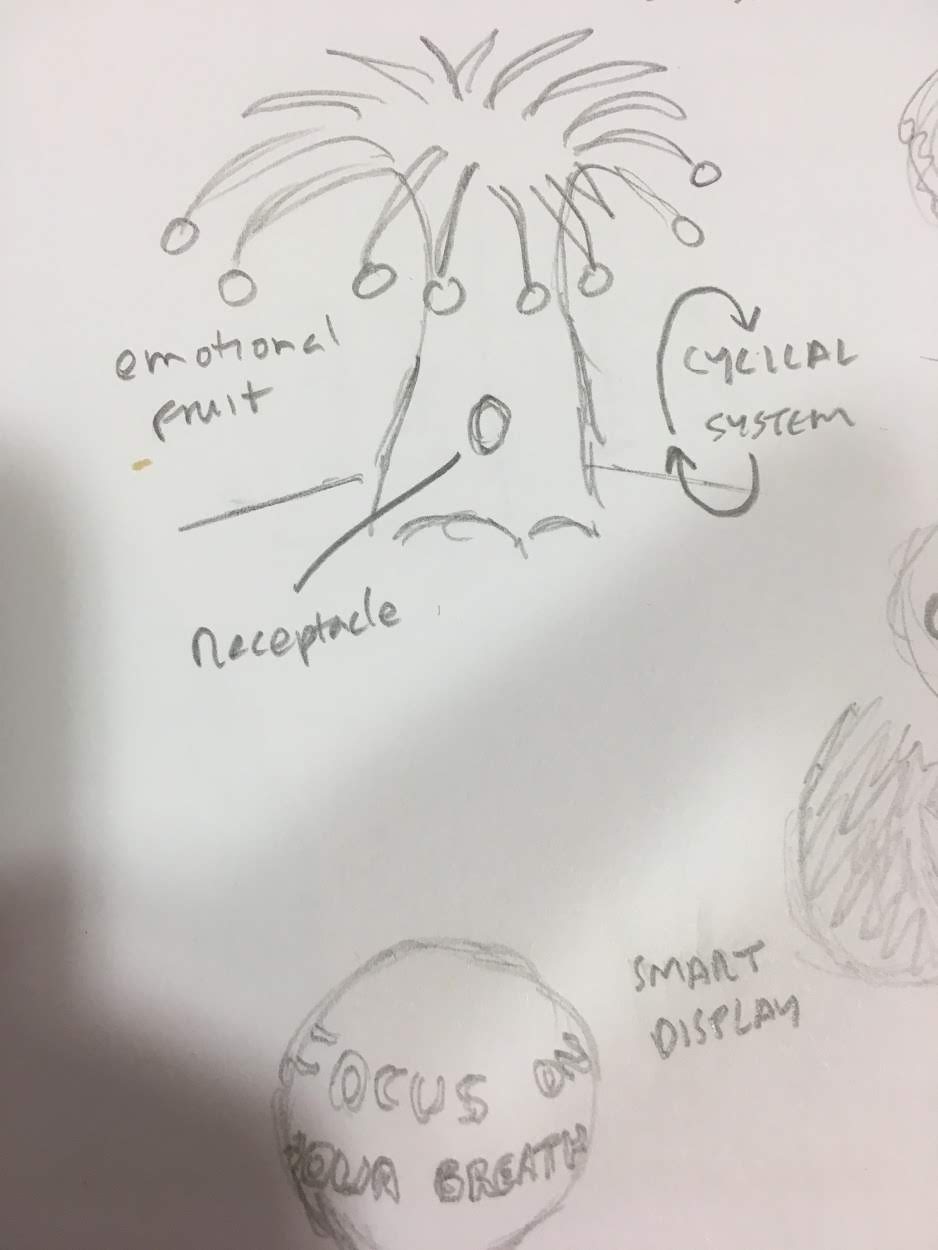
I made several sketches exploring installations that would allow people to report how they were feeling, and have this made visible in some way to their community.
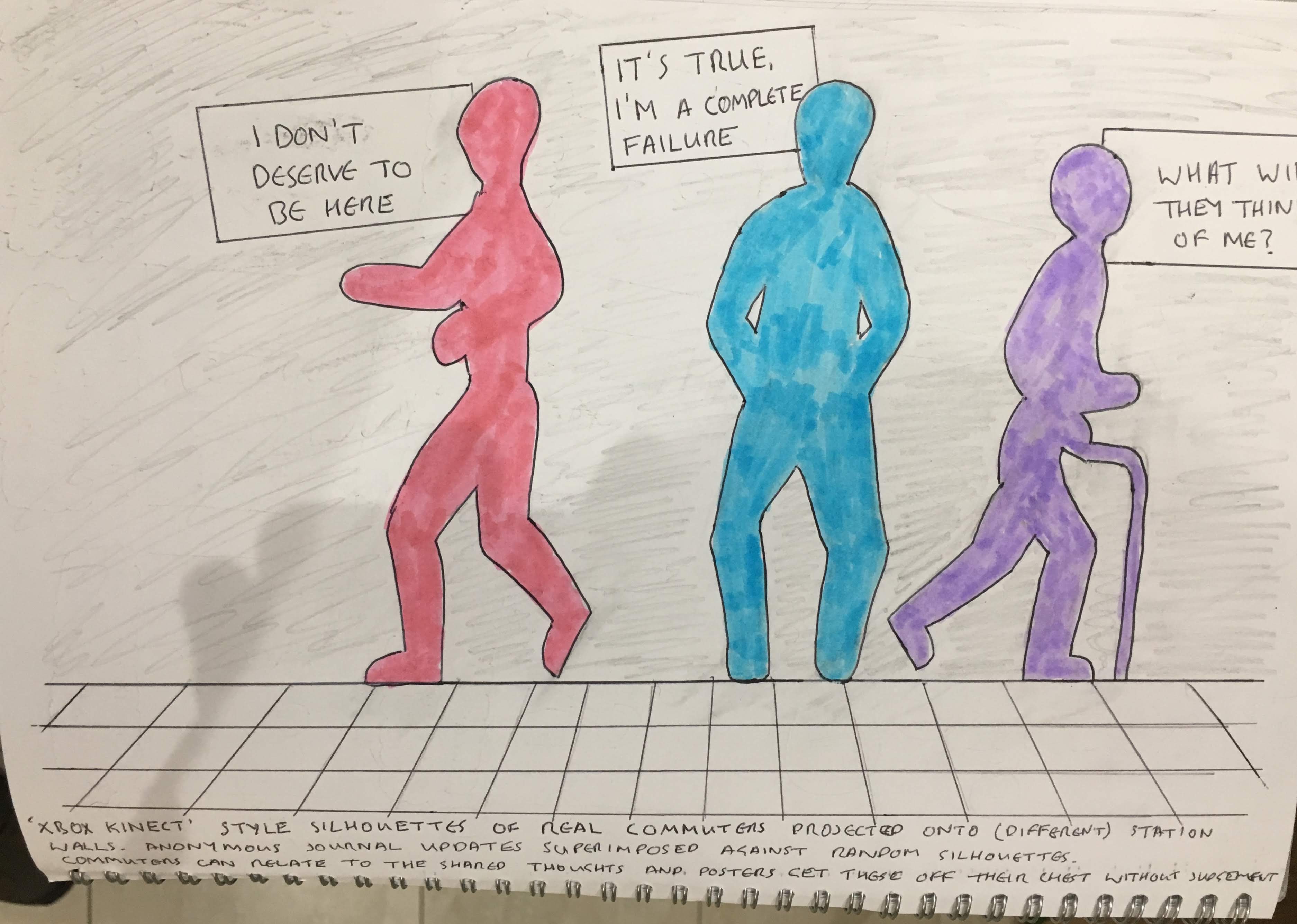
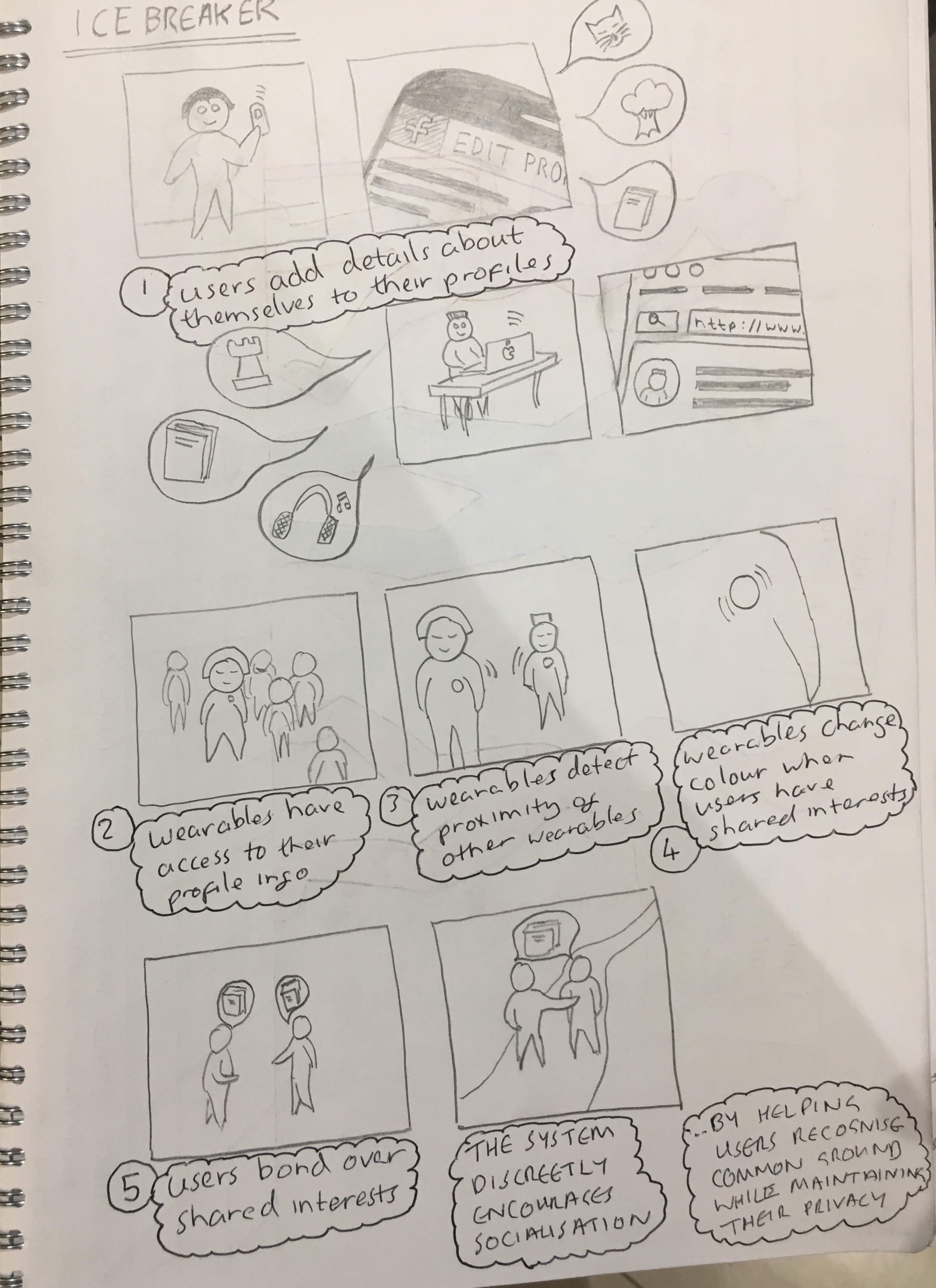
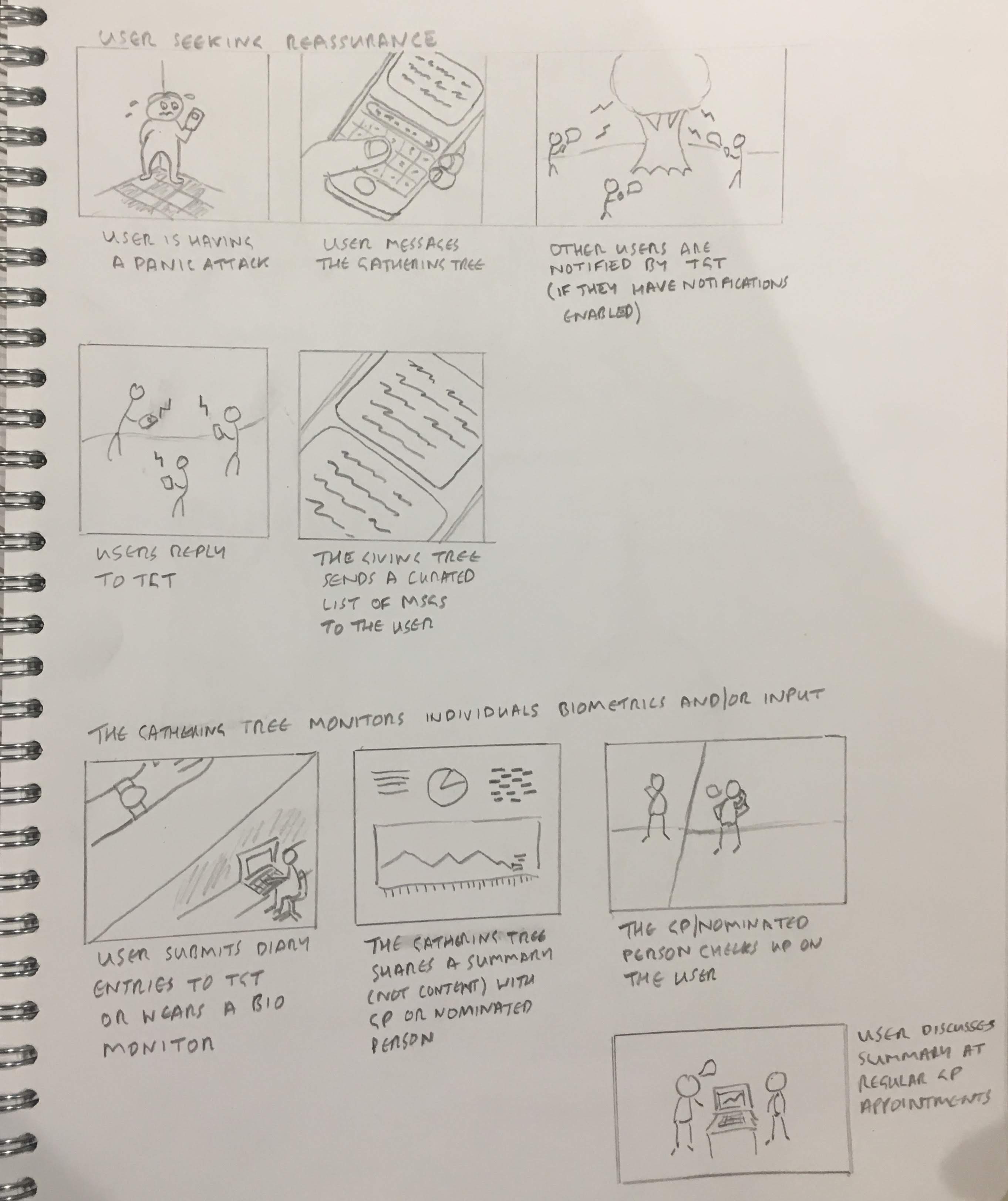
However, early critiques challenged us to resist the temptation to measure, quantify, or optimise emotional states. We became increasingly wary of:
Invasive data collection
Biometric surveillance
Framing mental health as something to be “tracked” or “fixed”.
Instead, we shifted focus toward ambient, participatory experiences — interactions that could foster awareness, empathy, and connection without requiring explicit disclosure.
Our concept: Mood Trees
We proposed a network of interactive “Mood Trees” embedded in urban neighbourhoods. Each tree reflects the emotional tone of its surroundings through changes in light and temperature, offering a shared point of reflection and connection without requiring people to explicitly disclose personal feelings.
Each tree acts as a focal point for reflection and gathering
Leaves change colour to reflect the emotional tone of the neighbourhood
Touch-based interactions use warmth and coolness as grounding cues
In periods of low engagement, trees draw from anonymised public sentiment (e.g. language analysis of public discourse)
The trees prioritise experience over accuracy, using ambiguity and sensory interaction to encourage awareness, empathy, and conversation.
Participatory and sensory exploration
We explored how the Mood Tree might communicate emotional states through:
Colour — using light to reflect collective mood
Temperature — offering a tactile, grounding interaction
Physical presence — a shared object embedded in public space
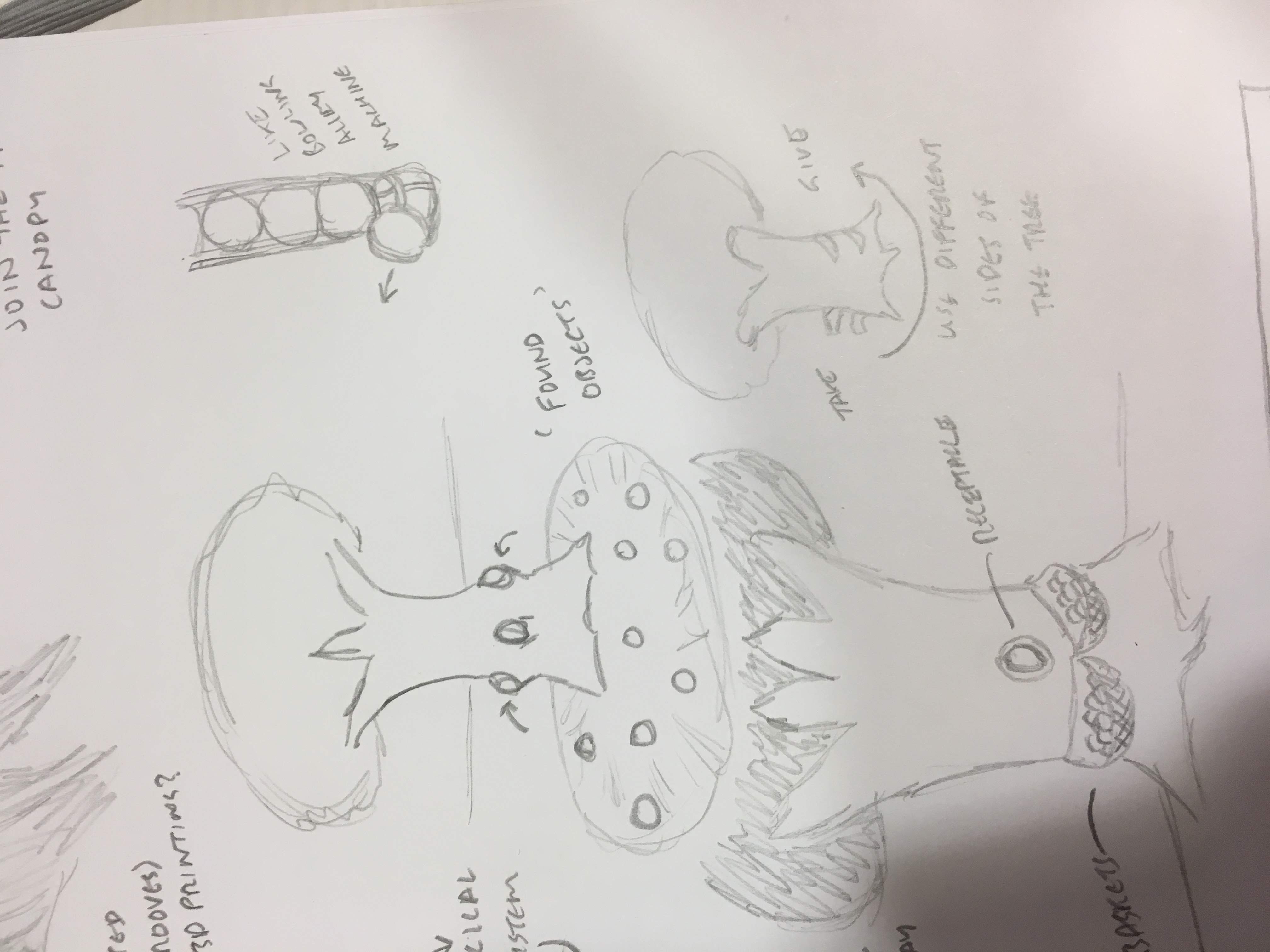
I produced several sketches of different tactile ways of interacting with the mood tree, including different textures, sensory outputs, and ways of using different artefacts with the tree.
.jpg)
.jpg)
.jpg)
.jpg)
.jpg)
.jpg)
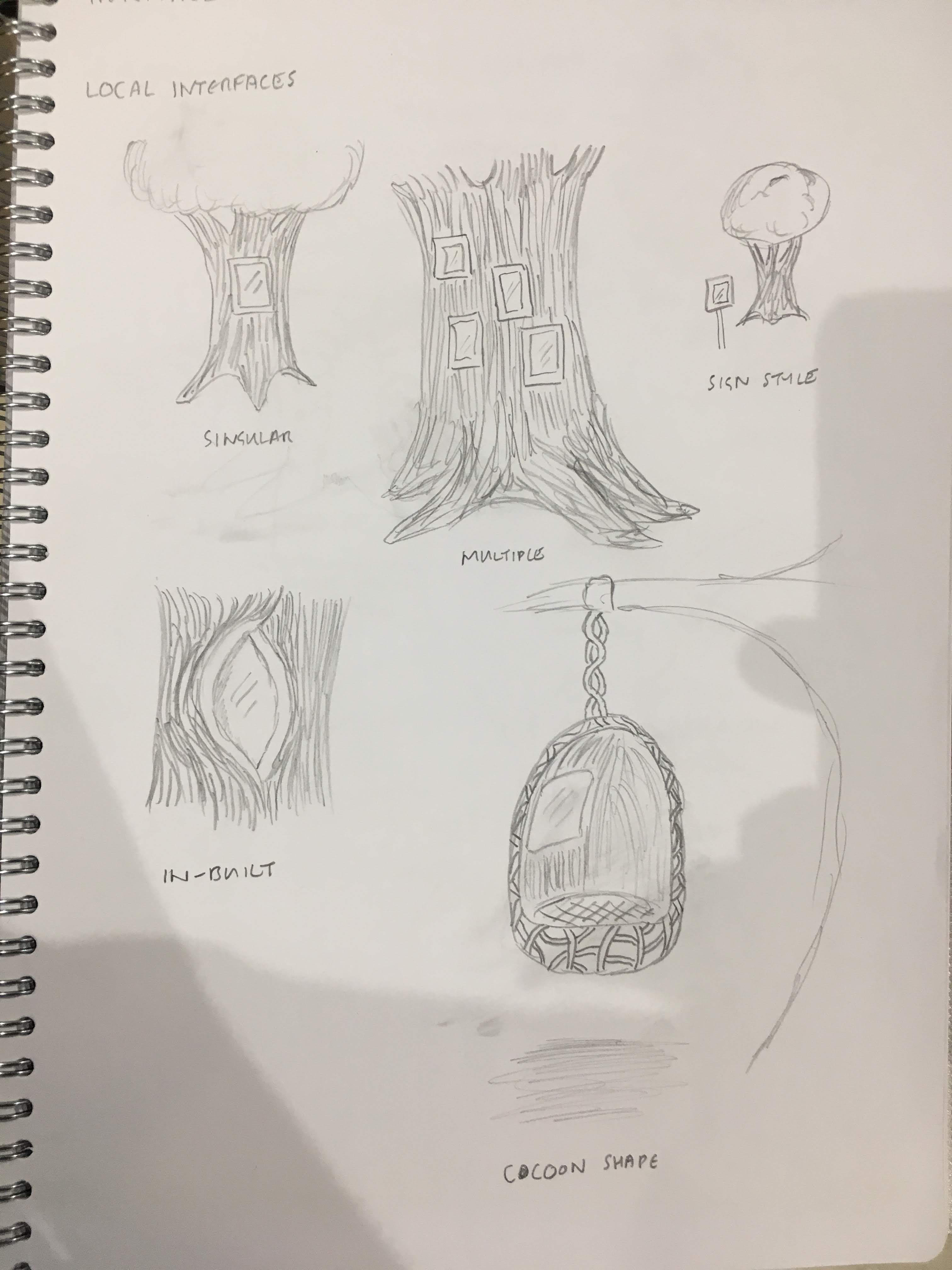
While we initially considered screens - and I made sketches of ways of incorporating screens into the tree - I moved away from this to approaches that felt more natural, discreet and playful.
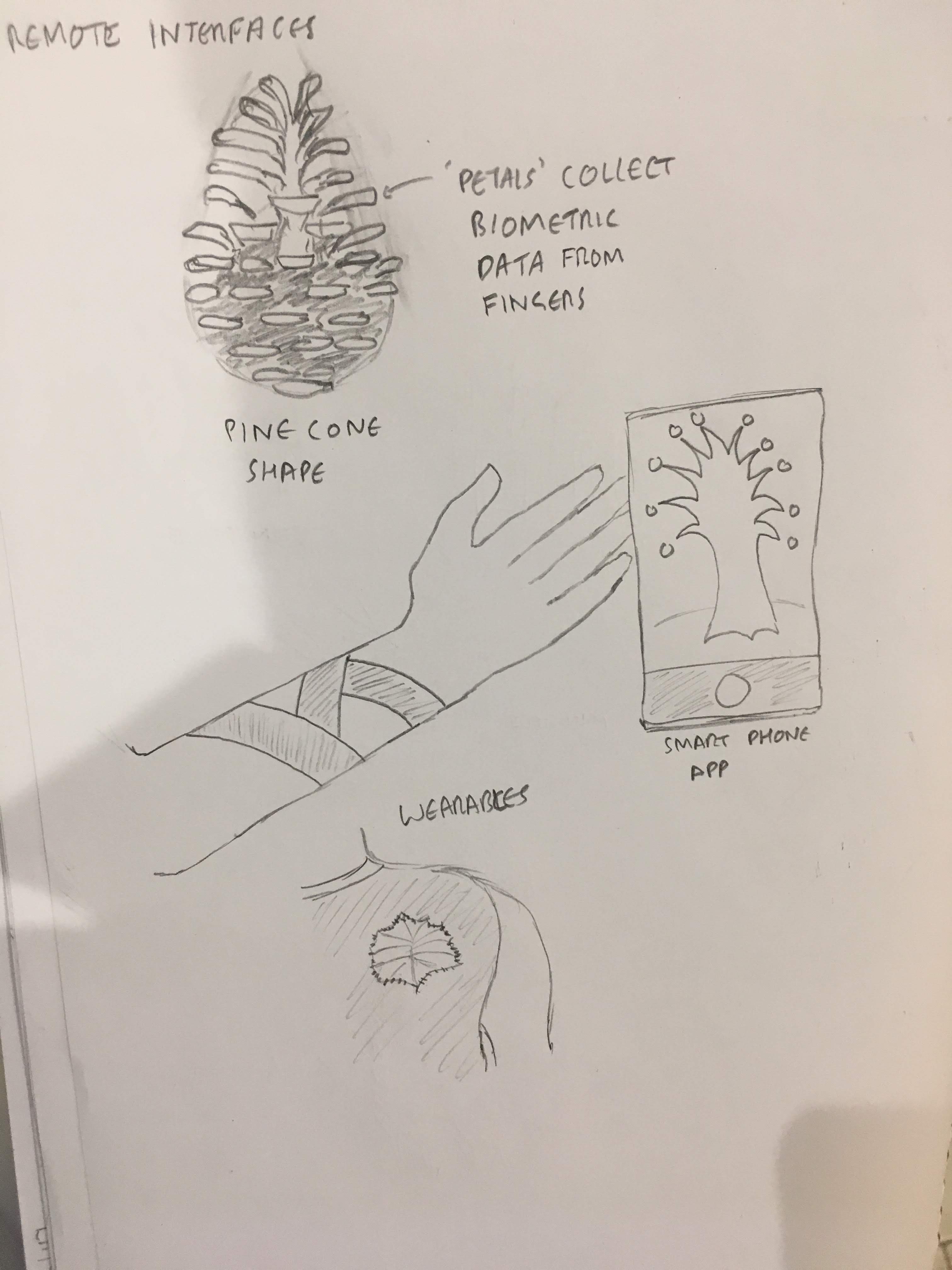
We also spent time considering how individuals who couldn't access the tree might still be able to benefit from it. My explorations included ways of incorporating wearables or portable devices.
.jpg)
Prototyping
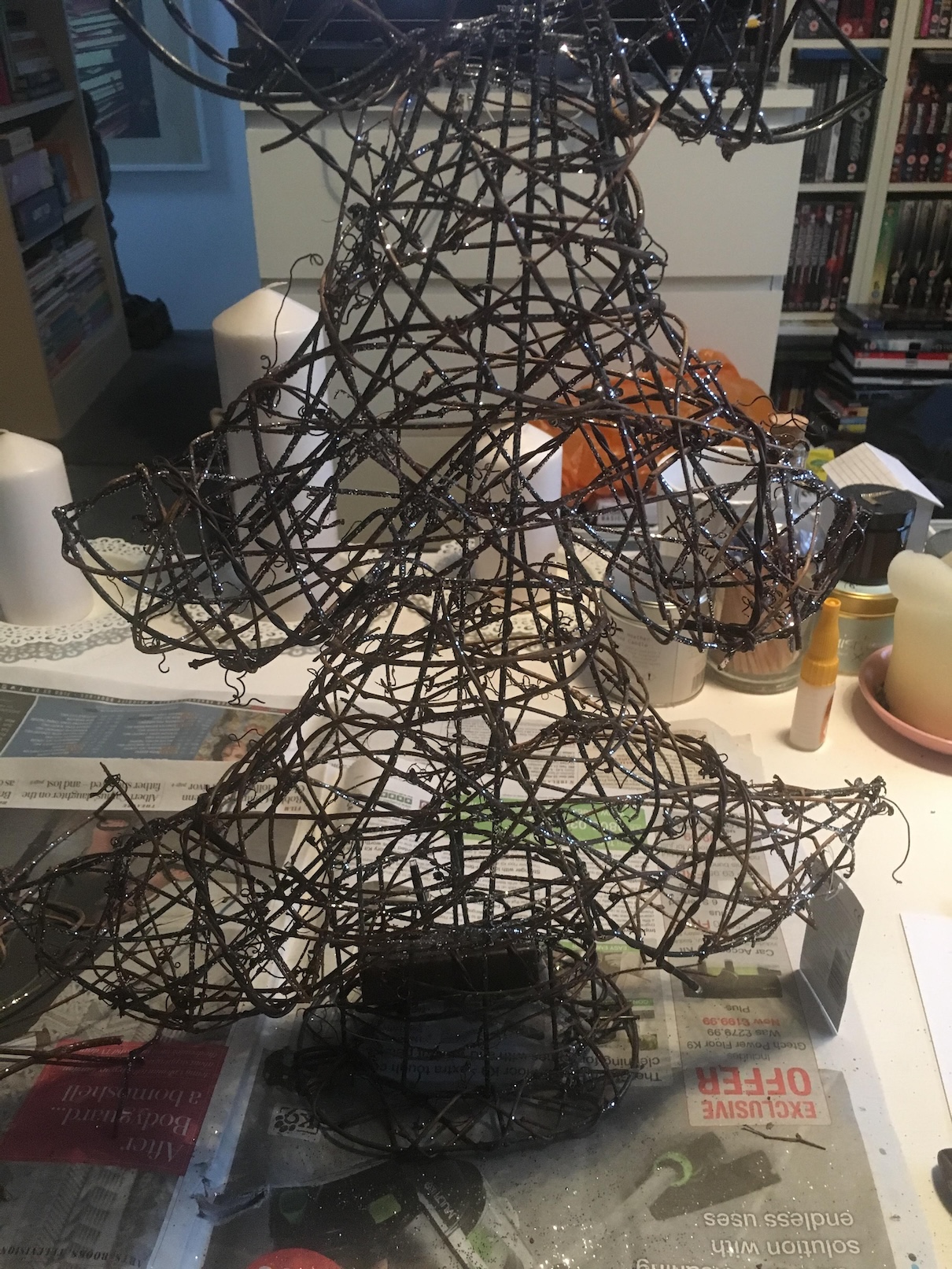
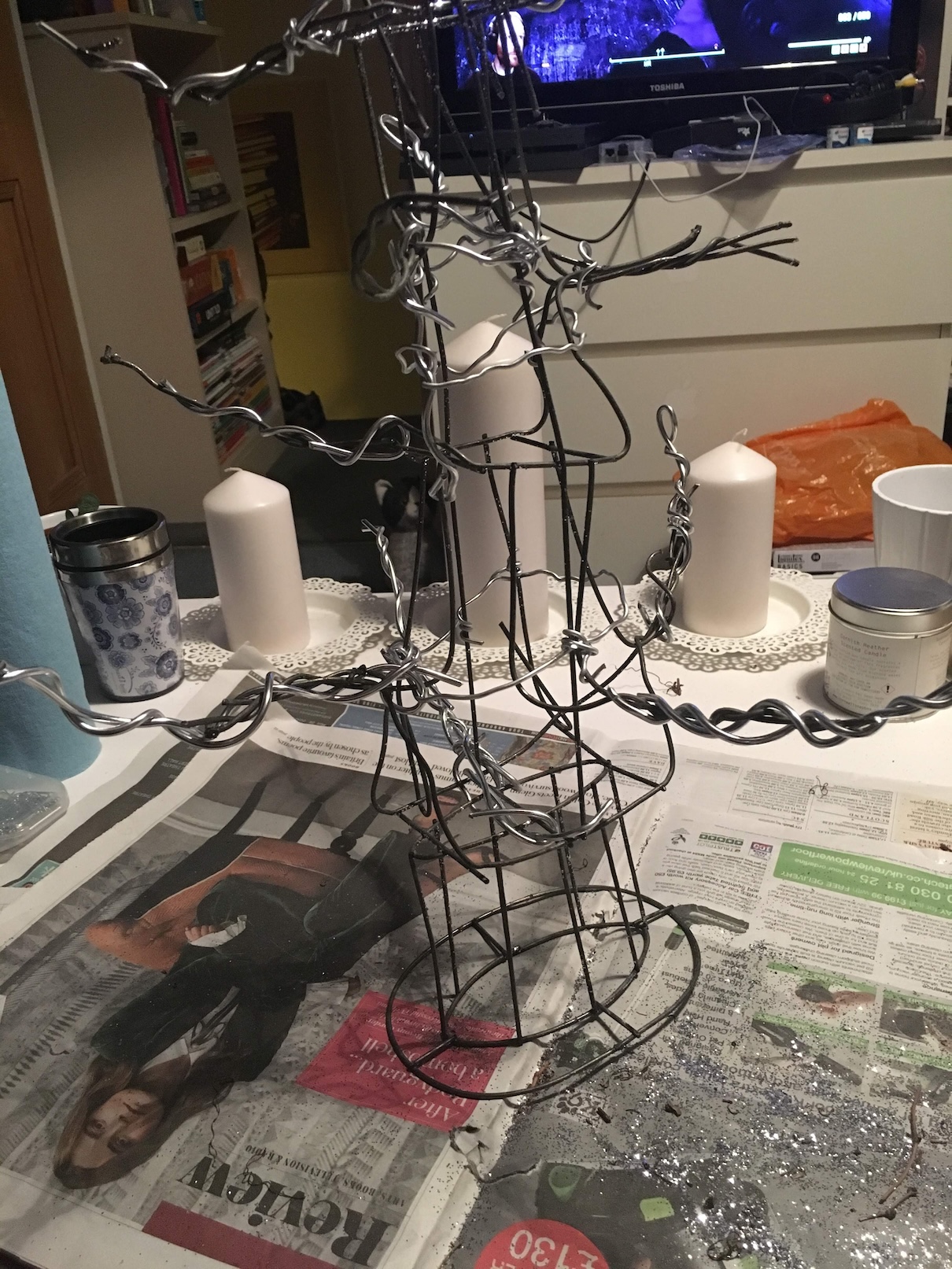
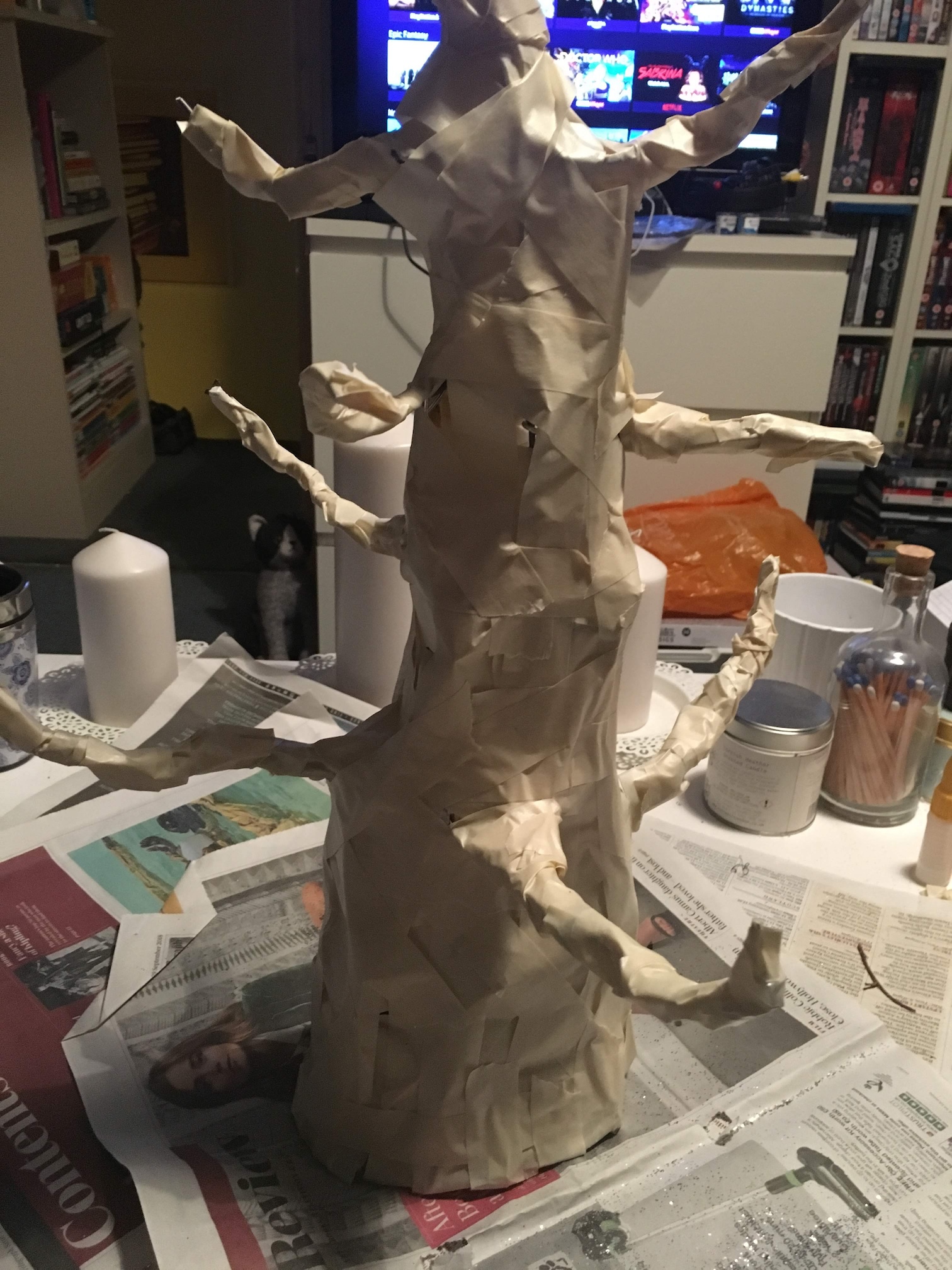
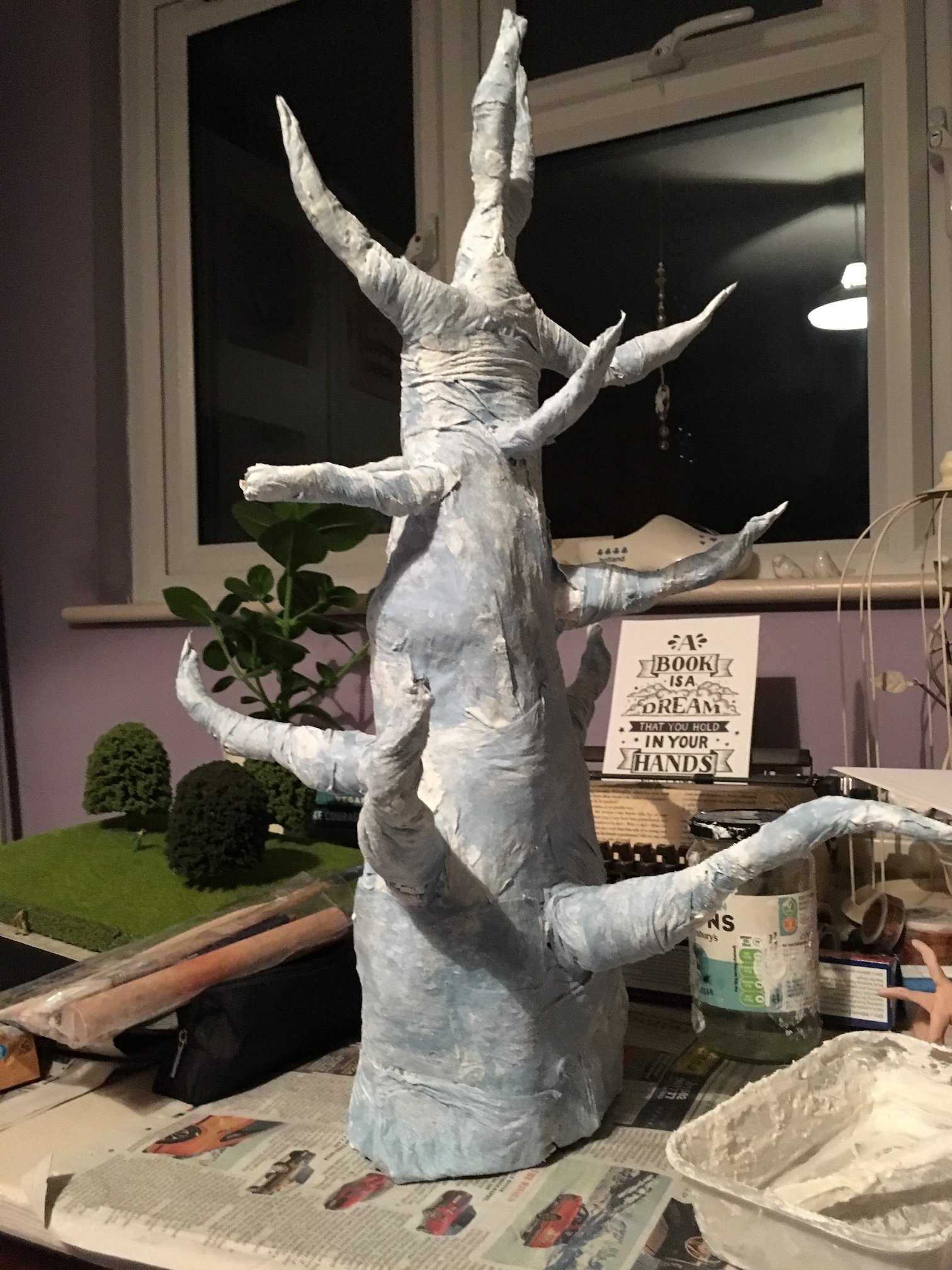
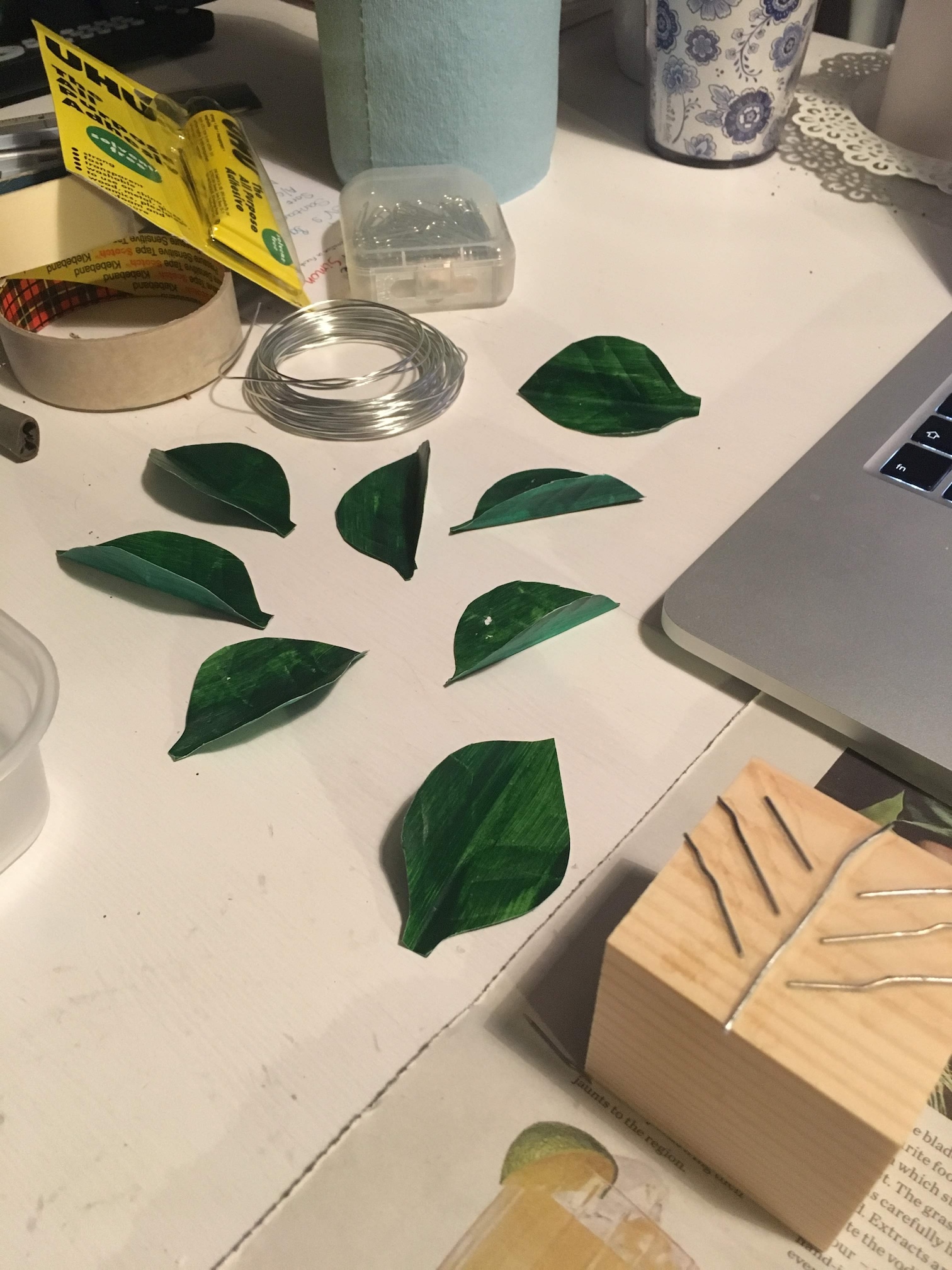
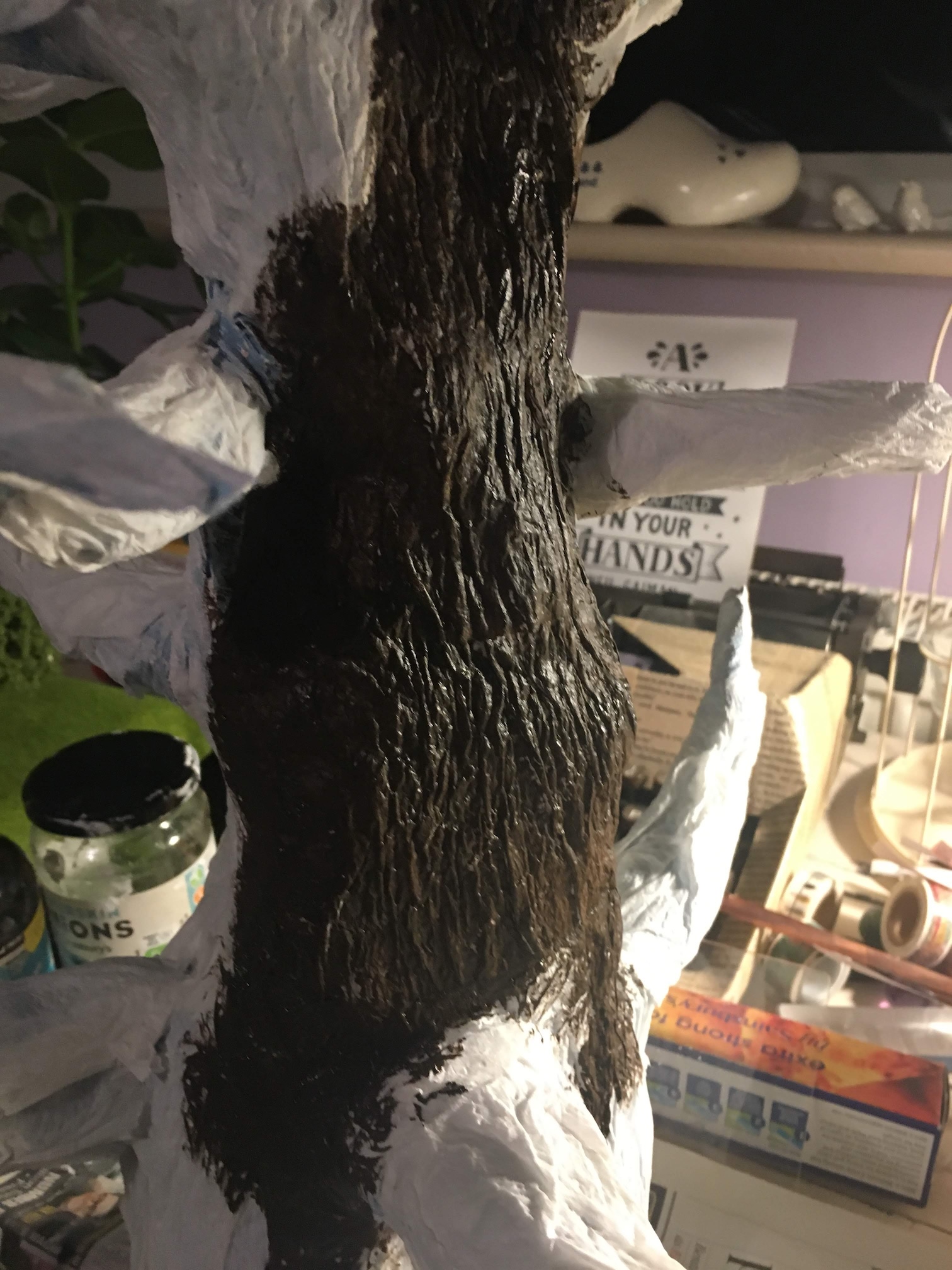
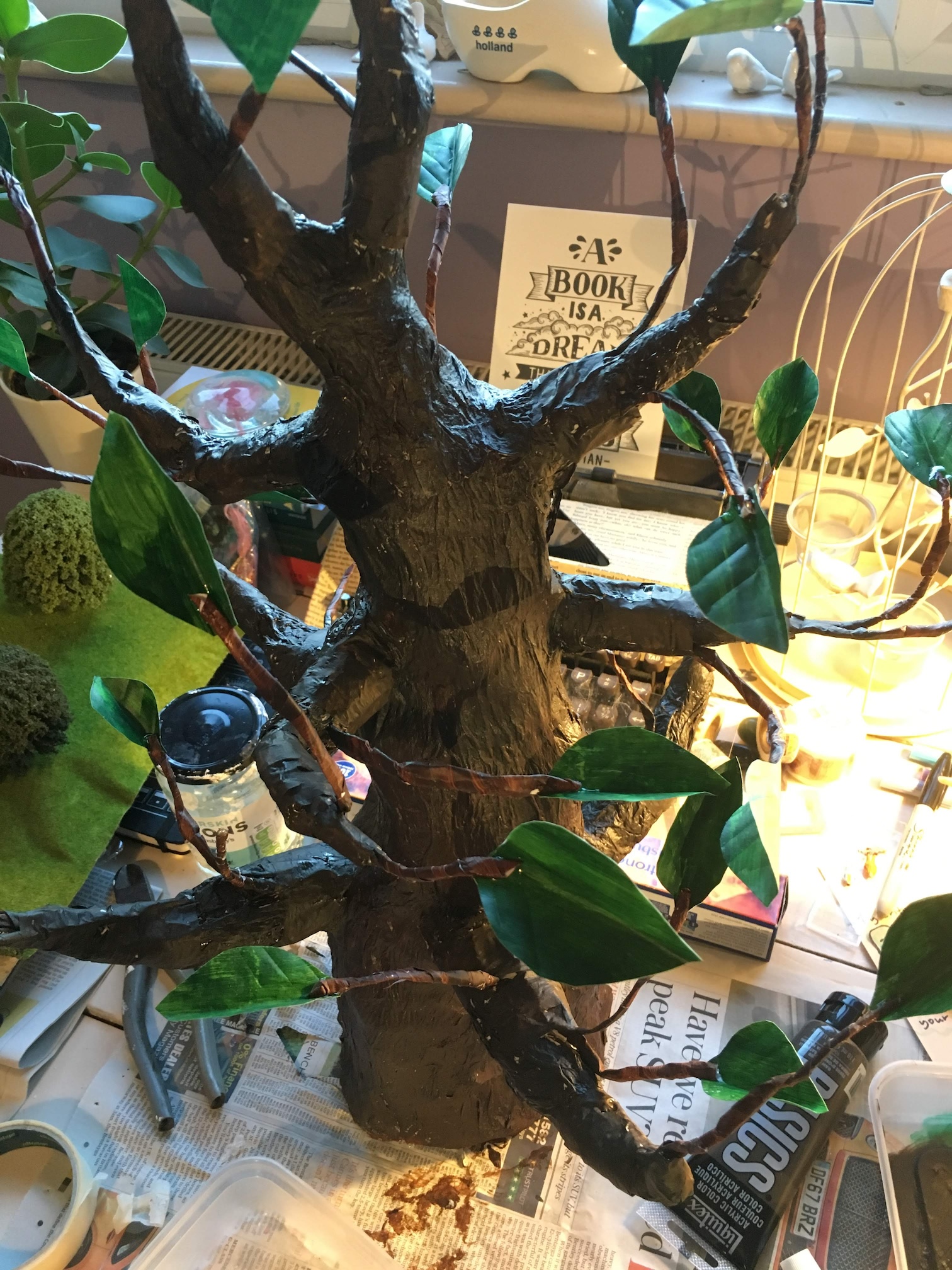
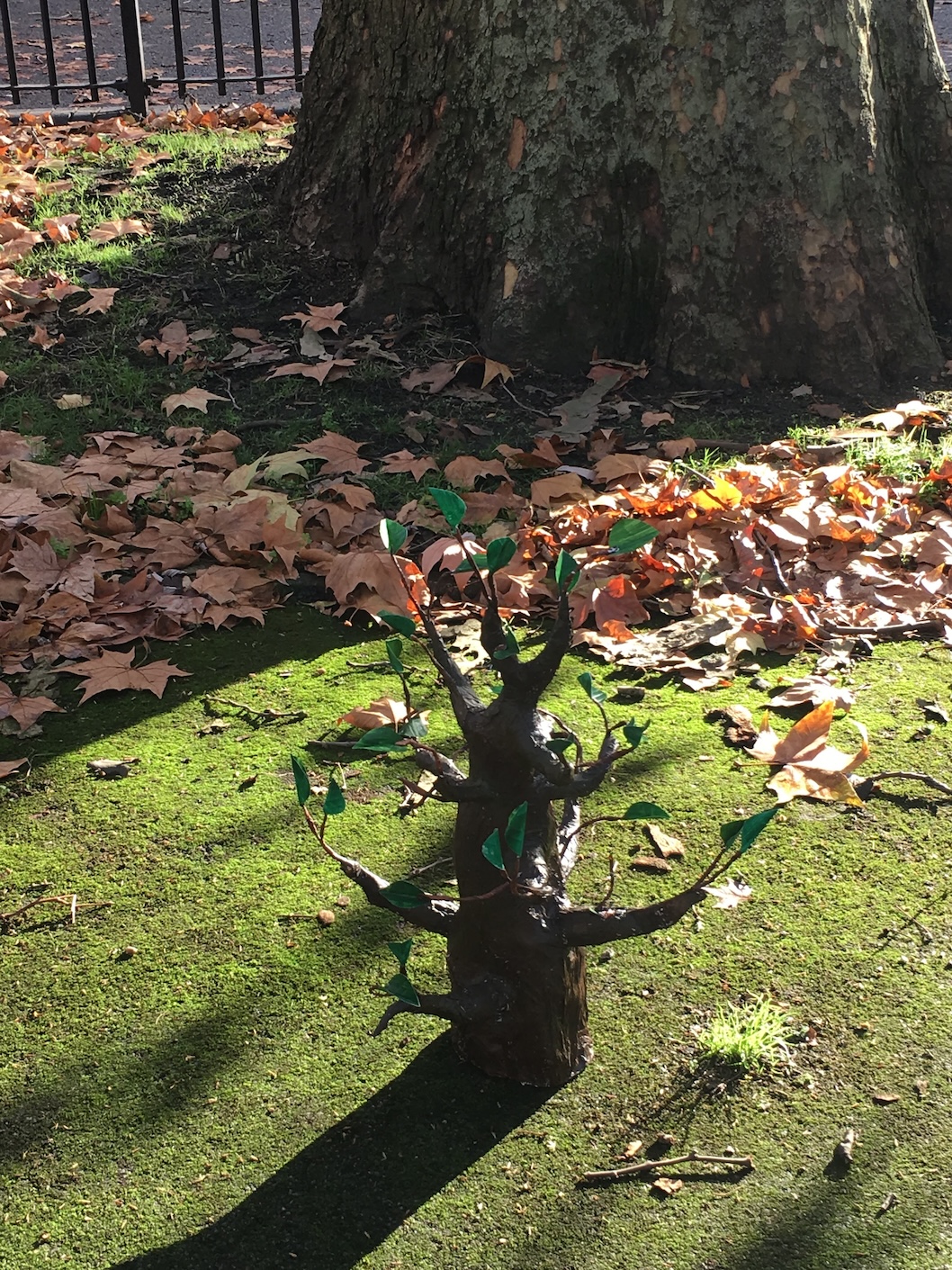
I created a physical tree prop to explore scale, physicality, and interaction. This supported our final presentation and was the focus of a video we produced.
My approach involved:
Repurposing a wire Christmas tree as a structural frame
Reshaping branches with aluminium wire building form using masking tape and paper mache
Developing bark texture and leaf forms through layered craft techniques
The process was deliberately hands-on and imperfect — aligned with the project’s emphasis on material exploration over technical polish.
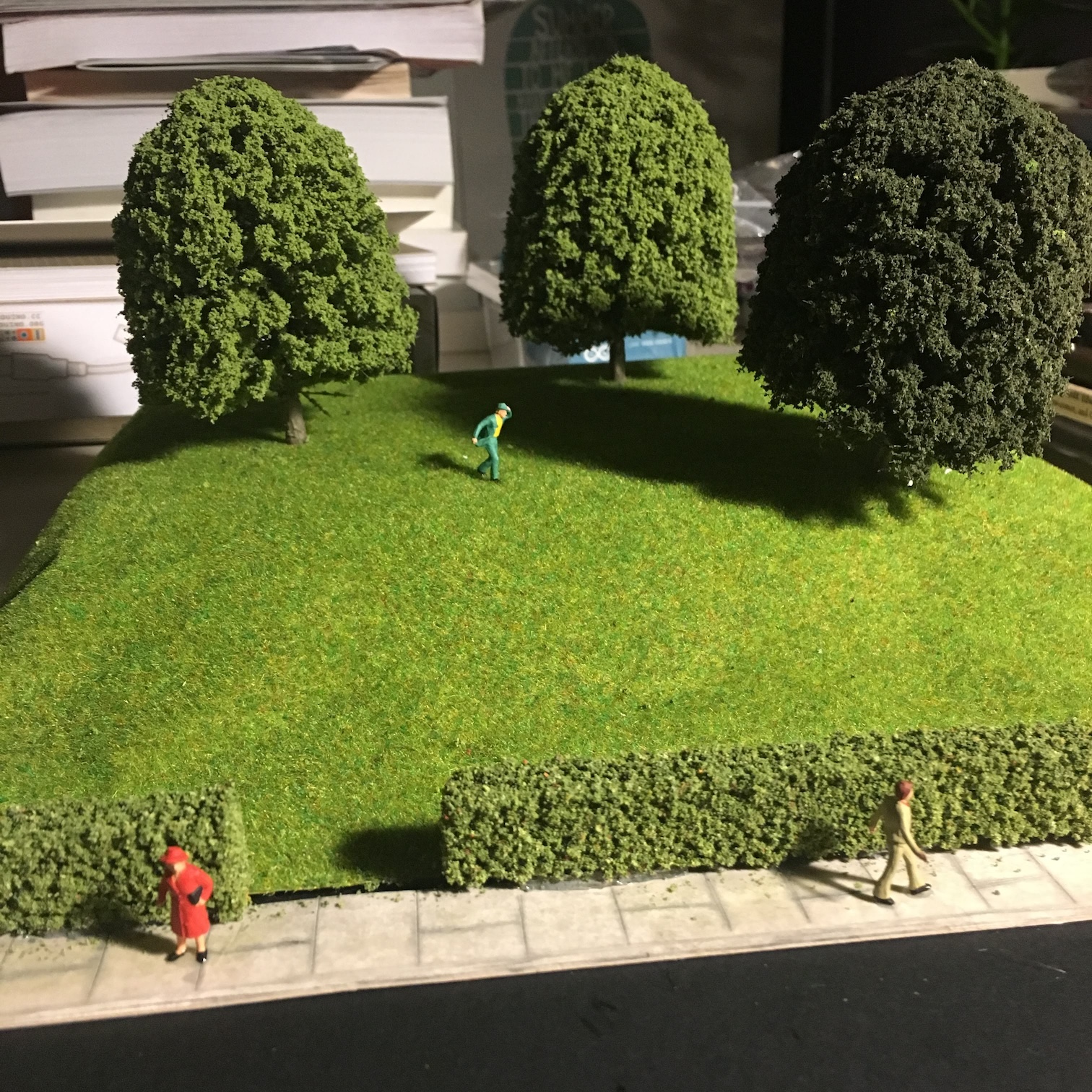
I also scratch built a scale model of a park from cardboard, sponge and props to help us visualise the tree's place in the community.
Showcase presentation
We presented our work as part of a class showcase alongside the other design groups. I contributed the props and staging to our display, as well as script suggestions and footage for the video made by Sara Gomez, another member of our group.

What I delivered
My contributions focused on concept development, material exploration, and fabrication:
Conducted independent research and proposed mental health as the core focus during the project reset
Produced sketches exploring tactile and sensory interactions
Built the physical tree prop used in our final video and the scale model green space used in our showcase
Wrote speculative and reflective pieces for the project workbook, including:
The evolution of our problem statement
Documentation of the prototyping process
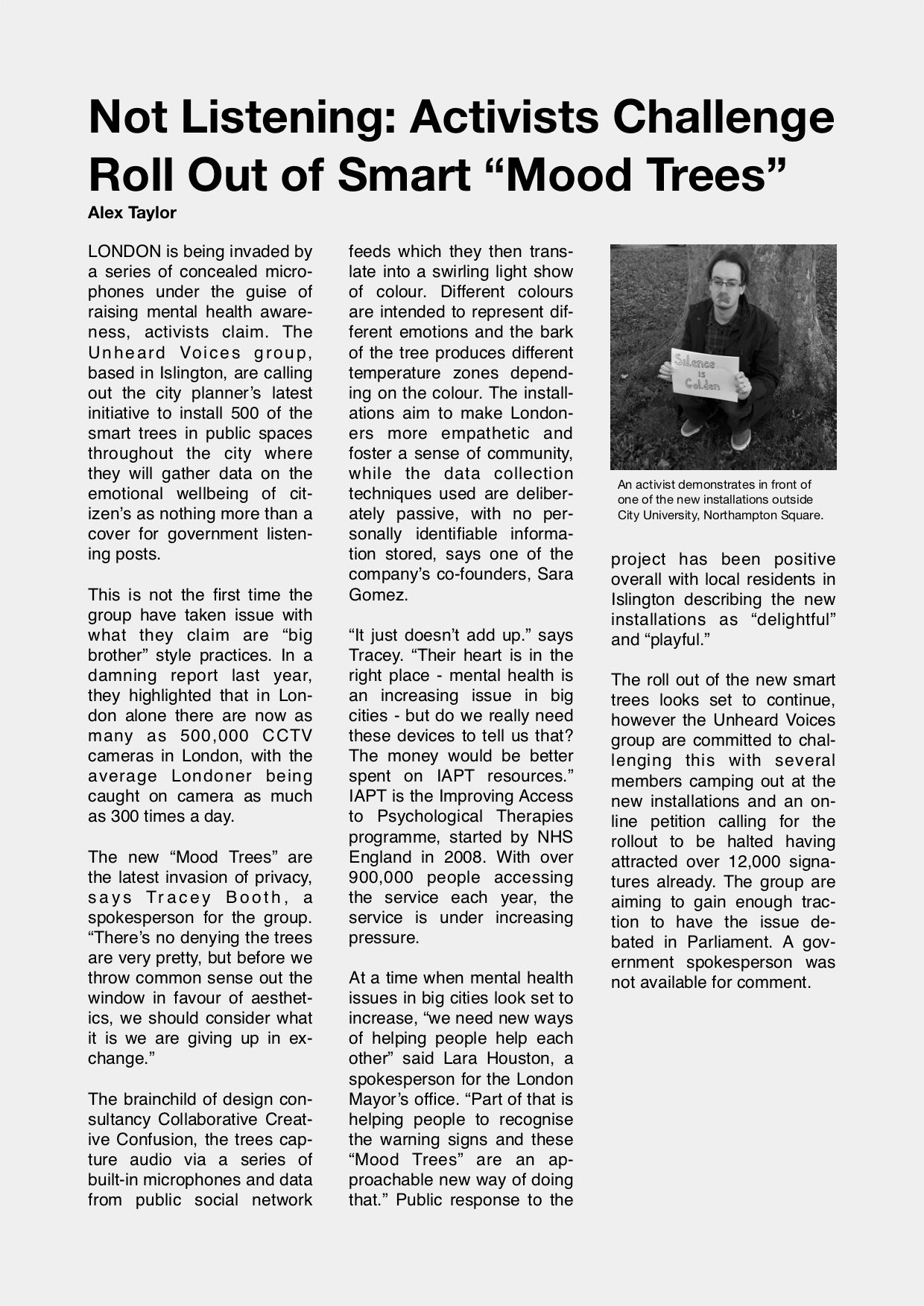
A speculative newspaper article imagining public resistance to the trees
Impact
The Mood Trees project helped us — and our audience — question common assumptions about smart cities:
That more data necessarily leads to better outcomes
That emotional experiences must be quantified to be valid
That technology should always be visible and interactive
By centring experience over efficiency, the project opened up conversations about:
Mental health as a shared, environmental concern
The value of ambiguity and reflection in public spaces
Alternative futures for civic technology that prioritise care over control
Our proposed artefact also raised questions of privacy, physical access and community perception that would be valuable opportunities for further study.
Reflection
This project was intentionally uncomfortable at times and I did initially struggled with the vagueness of the exploration, despite thoroughly enjoying the ideation. However, progress came not from refining a solution, but from learning when to let go of one.
I valued the opportunity to explore speculative design as a way of thinking — not just making — and to work in a space where uncertainty, imagination, and critique were treated as strengths.
The process reinforced my belief that accessibility, inclusion, and wellbeing are not problems to be engineered away, but conditions to be nurtured through thoughtful, humane design.
Gallery